New Construction Stage Inspections Melbourne

Build It Once. Find the Defects Before They Disappear Behind the Next Stage.

A new home can look impressive at handover and still contain workmanship or compliance issues that were easier to identify weeks or months earlier. Independent stage inspections give you another set of experienced eyes at the points where important work is still visible — and where defects can often be corrected before they are covered over.

600+ Google Reviews

Real client feedback

16,000+ Inspections

Experience you can trust

Max 2 per inspector/day

Time for detail

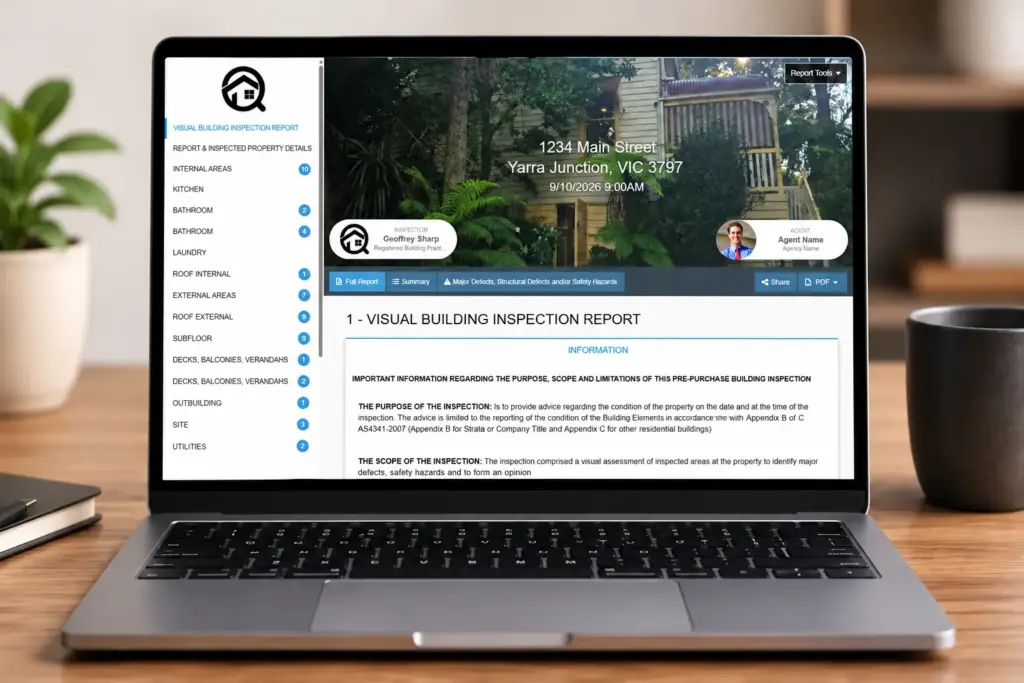
View a Sample Report

See what you'll receive

INDEPENDENT OVERSIGHT

Your Builder Builds the Home. We Inspect the Work for You.

Our role is independent quality control. We inspect the work visible at the booked stage against the approved documentation made available, the applicable National Construction Code, relevant Australian Standards, recognised tolerances and manufacturer requirements where relevant to the item being assessed.

Building regulations and applicable code editions can depend on the project’s approval and commencement dates. The report should reference the requirements applicable to that project rather than assuming every current project is governed by exactly the same edition.

Stage

What this stage protects

1. Pre-Slab / Base

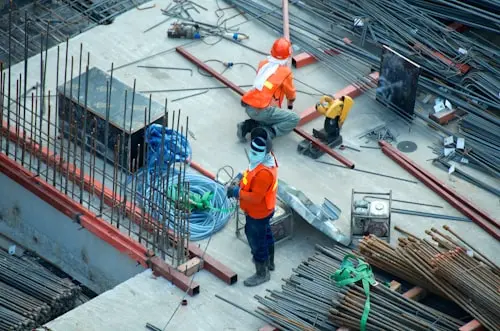
Before concrete placement where access and timing permit. Focus on visible preparation, reinforcement, membrane, penetrations, set-out and items able to be assessed at that stage against the available plans/details.

2. Frame

Before the frame is concealed. Assess accessible framing, bracing, tie-down, openings, structural members, visible workmanship and consistency with the available engineering/plans.

3. Lock-Up / Pre-Plaster

Before internal linings conceal services and framing. Review external envelope progress, windows/doors, flashings, visible frame items, penetrations and other stage-specific work.

4. Waterproofing

Before tiling or other finishes conceal membrane work where an inspection can be coordinated. Check visible preparation, membrane extent/details and relevant wet-area construction requirements.

5. Fixing / Fit-Out

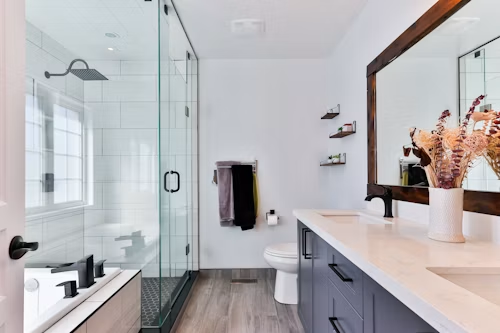
Review visible internal fit-out, cabinetry, trims, doors, wet-area details, finishes and stage-specific workmanship before practical completion.

6. PCI / Handover

A detailed final inspection before handover/settlement to document incomplete, defective or damaged work and items requiring rectification.

What We Inspect — stage-specific element lists

  • Site/base preparation relevant to the stage
  • Set-out and dimensions where practical against provided plans
  • Visible reinforcement type, positioning, laps, support and cover indicators
  • Vapour barrier / membrane continuity where visible
  • Service penetrations and sleeves
  • Edge beams, rebates and other formed details where visible
  • Termite management components where applicable and visible
  • Items requiring rectification before concrete placement
  • Wall and roof framing
  • Studs, plates, lintels, beams and openings
  • Bracing and tie-down components
  • Frame plumb/straightness indicators and workmanship
  • Structural connections and visible fixings
  • Truss installation and visible modifications
  • Window/door openings
  • Consistency with available engineering and approved plans where provided
  • External wall and roof envelope progress
  • Windows and external doors
  • Flashings and visible weatherproofing details
  • Roof cladding, penetrations, gutters and downpipes where installed
  • Remaining accessible framing and bracing
  • Service penetrations through building elements
  • Fire/sound details where relevant and visible
  • Items that will be concealed by internal linings
  • Substrate preparation and visible falls where assessable
  • Membrane coverage and continuity
  • Corners, junctions and penetrations
  • Shower/wet-area detailing
  • Waterstops, hobs and thresholds where applicable
  • Balcony/external waterproofing details where included
  • Visible compatibility/termination issues before finishes cover the work
  • Doors, trims, skirtings and architraves
  • Cabinetry and visible joinery
  • Wall and floor tiling
  • Sanitary fixtures and visible wet-area details
  • Plaster/finish quality and visible damage
  • Stairs, balustrades and handrails
  • Visible incomplete or defective work
  • Interior rooms and finishes
  • Kitchen, bathrooms and laundry
  • Doors, windows and glazing
  • External walls and finishes
  • Roof exterior and accessible roof space where within booked scope
  • Balconies, decks, steps and external works
  • Fixtures/fittings relevant to scope
  • Incomplete, damaged, defective or poorly finished work
  • Items requiring rectification before or after handover

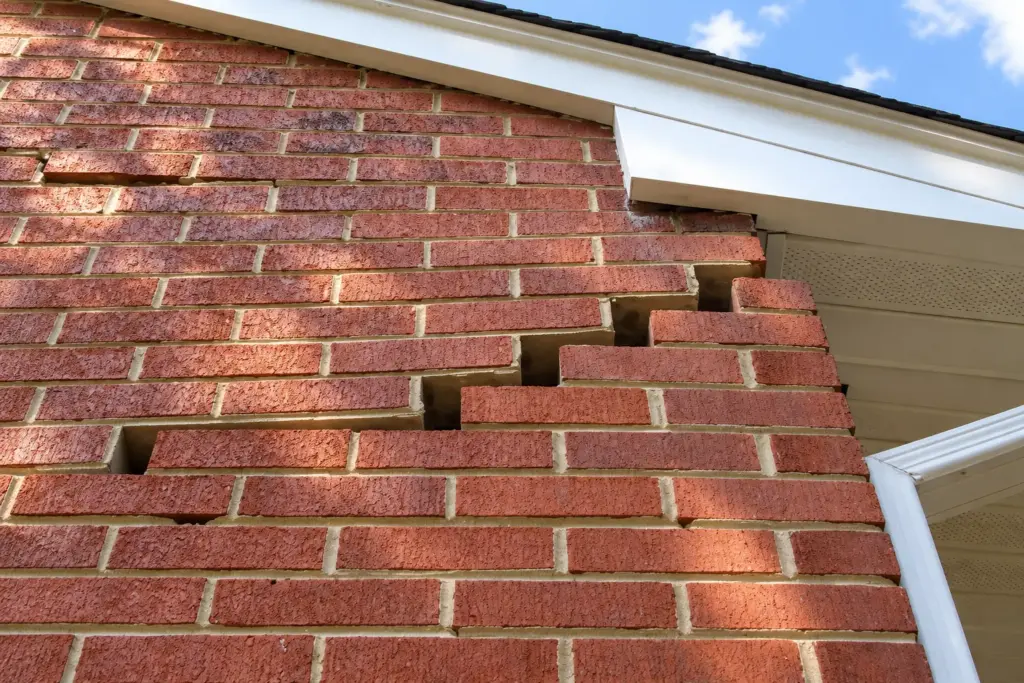
Serious Problems Don't Always Look Serious

Some of the most costly defects can be hidden from view. We use the right experience and tools to investigate further.

Bathroom waterproofing

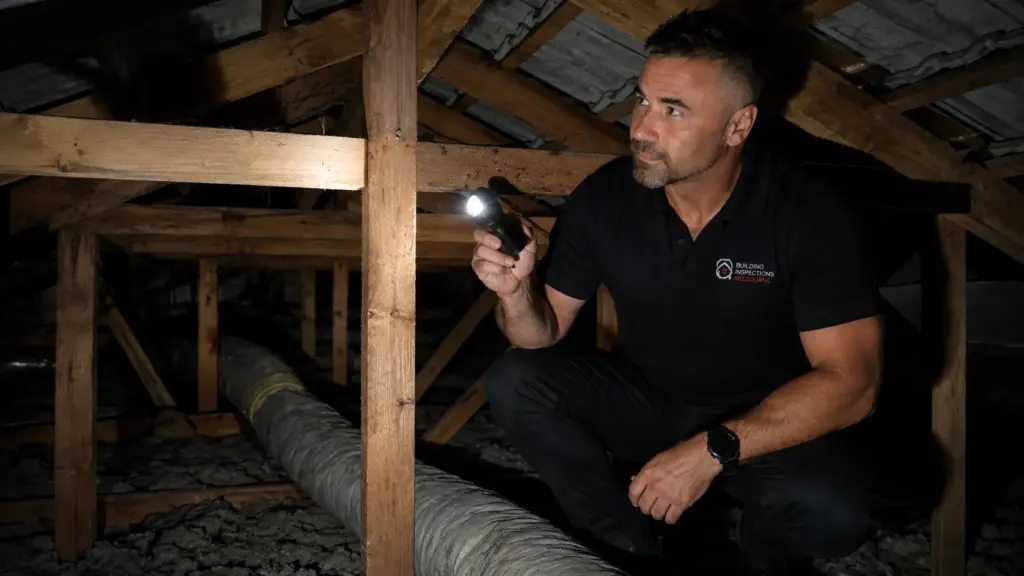
Roof structure issues

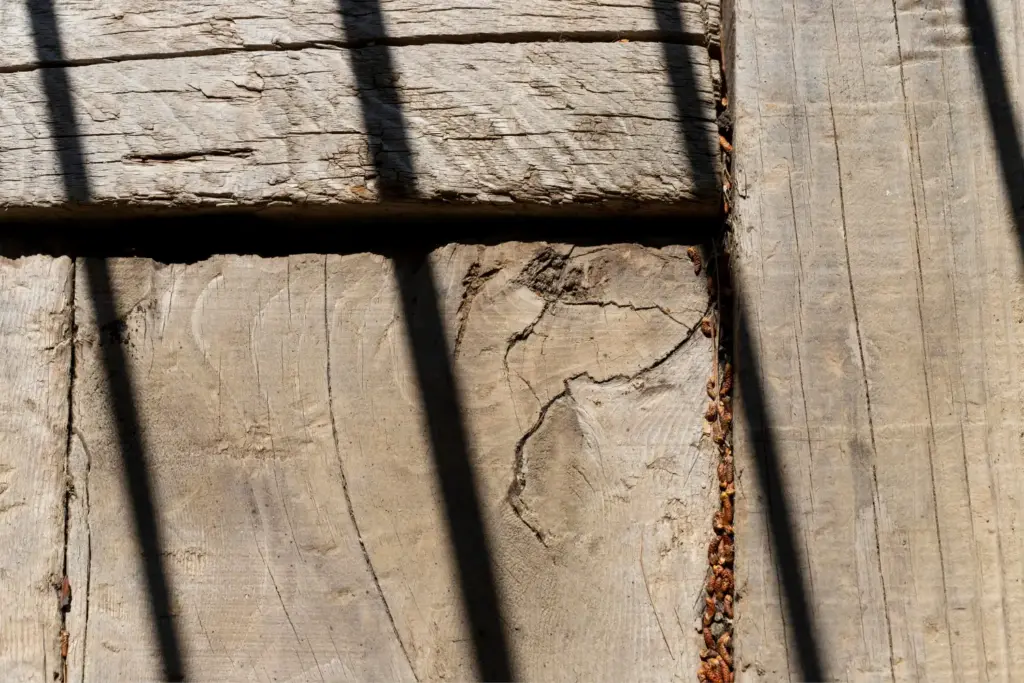
Termite damage

Subfloor defects

The Best Defect to Find Is the One That Has Not Been Covered Yet.

A framing issue is easier to assess before plaster. Waterproofing is easier to inspect before tiles. Reinforcement is easier to inspect before concrete. Stage inspections are valuable because they move quality control forward — before the next trade hides the work.

Relying Only on the Project’s Normal Sign-Off Process

  • Mandatory inspections have a regulatory role and are not a personal quality-control service for the owner
  • Some workmanship items may sit outside the focus of a particular mandatory inspection
  • You may first notice finish defects at handover
  • Owner may have limited photographic record of concealed stages

Adding Independent Stage Inspections

  • Additional inspection performed for you at nominated stages
  • Detailed photographic defect record
  • Stage-specific workmanship and visible compliance issues documented
  • Defects raised while work is still accessible
  • Clear report you can provide to the builder for rectification discussions
IMPORTANT DISTINCTION
Independent Inspections Do Not Replace the Building Surveyor.

Our inspections are an additional independent quality-control service for the owner. They do not replace statutory inspections, the appointed building surveyor, the builder’s contractual responsibilities, engineering inspections or specialist certification.
Give the Builder a Clear Defect List — Not a Vague Complaint.

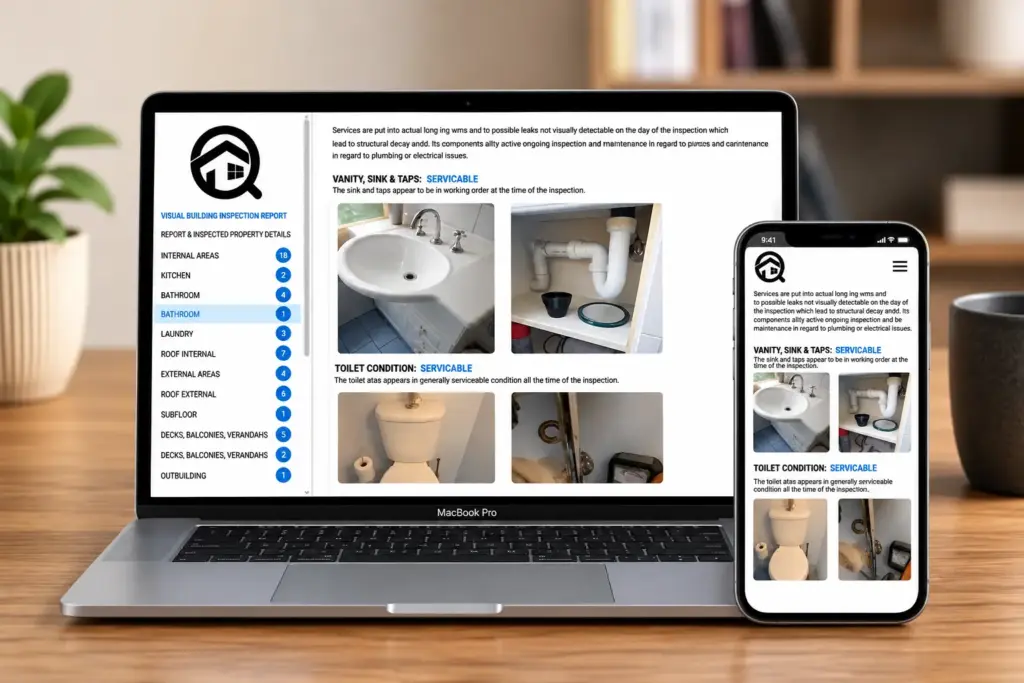
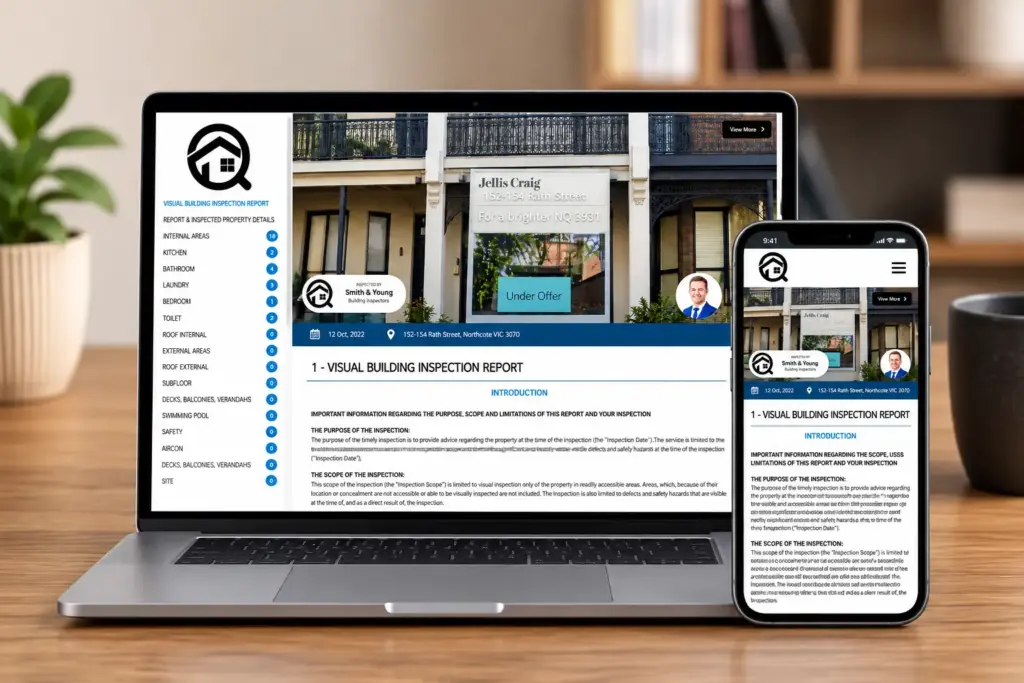
Each stage report should clearly identify the location, observed issue, supporting photographs and the requirement or accepted tolerance relevant to that item where appropriate. The purpose is to make rectification discussions clearer and create a record before the build moves on.
How It Works

1. Tell us the property address + current build stage

2. Send plans / engineering if available

3. We coordinate access with the builder or site supervisor

4. We inspect before work is covered or the stage progresses

5. Receive the stage defect report

6. Provide the findings to the builder and speak with your inspector

What New-Home Clients Say

5.0 Stars. 600+ Google Reviews.

Read what buyers say about the time spent onsite, the defects identified, the detail in the reports, the explanations afterwards and the decisions those findings helped them make.

A combined building and pest inspection by Building Inspections Melbourne, pointed out that there were a lot more problems with the property we wanted to buy then what we first realised. It was definitely a small price to pay for getting the team to come out and look over it thoroughly.

Valerie

“I used Building Inspections Melbourne when I was building, after a friend suggested it was a good idea to have a pre hand over inspection of my new home. I found the guys to be incredibly reliable and professional, and they even found a few things that were able to fixed before we moved in. If I ever build again, I would gladly call them again for sure.”

Bill and Sandy

I had done a walk through of a property that I thought was perfect, and was very keen to head straight to the auction. My wife wanted peace of mind, so she insisted we organise a Pre Auction Inspection. There turned out to be a lot of problems with the property, that would have blown our budget to fix. I won’t hesitate to call the team again before I put my hand up for another property.

Pete

“Extremely thorough and professional from start to finish. The inspection report was clear, detailed and easy to understand, and the inspector took the time to explain everything we needed to know. It gave us real confidence in making our decision. Highly recommended.”

Sarah M.

COMMON QUESTIONS
Frequently asked questions.
Which construction stages should I inspect?

The most useful stages depend on your build and what can be coordinated before work is concealed. Common stages include pre-slab/base, frame, lock-up or pre-plaster, waterproofing, fixing and PCI/handover.

No. It is an additional inspection for you and does not replace statutory inspections, the appointed building surveyor, engineering certification or the builder’s obligations.

Where relevant to the booked scope we consider the applicable NCC edition, approved plans/engineering made available, relevant Australian Standards, recognised tolerances and manufacturer requirements. The applicable requirements can depend on the project approval and commencement dates.

Yes. You can book a single stage such as frame, waterproofing or PCI, although multiple stage inspections provide visibility at more points before work is concealed.

We provide the report to you. You can then give it to the builder or relevant party for rectification discussions.

Contact us with the current construction status. We can explain what remains visible and whether a useful inspection can still be completed at that point.

Other Inspection Services

Pre-auction inspection

Timber pest inspection

New construction inspections

Vendor inspection

Defect & special purpose reports

GET IN TOUCH
Building a New Home? Tell Us What Stage You’re At.

Call us to discuss the property, timing and the inspection you need. If you prefer, send the address and we will review it and provide a clear quote.

We'll Take It From Here.