TIMBER PEST INSPECTION MELBOURNE

Termite Damage Can Be Expensive. The Warning Signs Can Be Tiny.

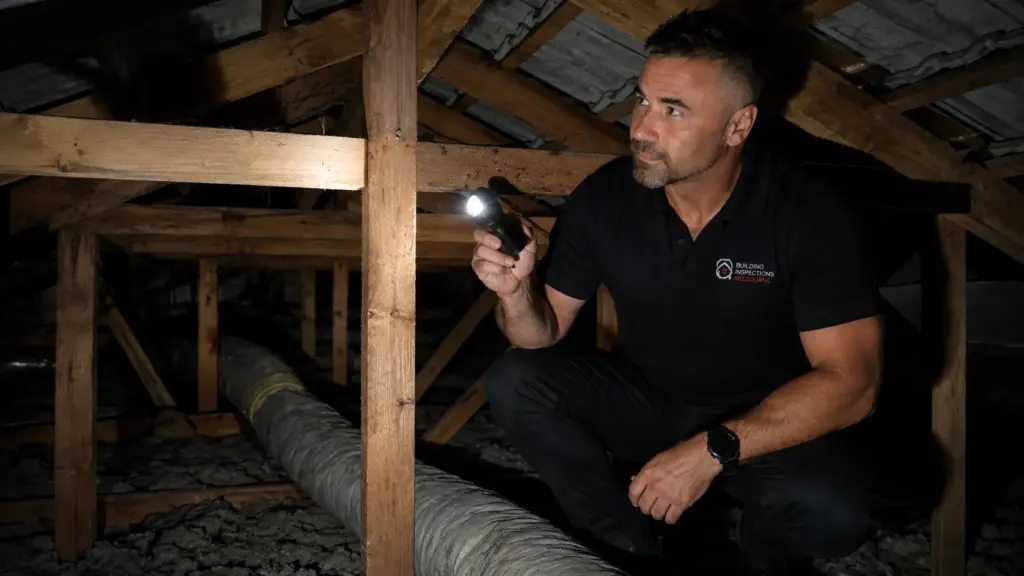
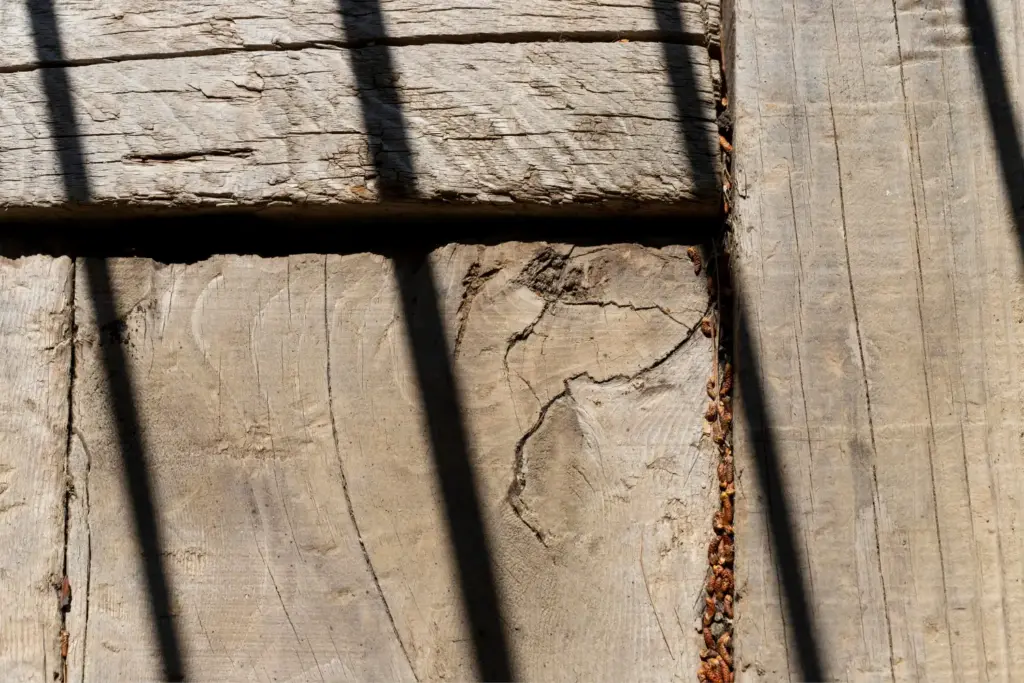
A timber-pest inspection is designed to identify visible evidence of termite activity or damage, borers, timber decay and the conditions that can make a property more attractive to timber pests. The aim is not to frighten you. It is to give you evidence before hidden damage becomes your financial problem.

600+ Google Reviews

Real client feedback

16,000+ Inspections

Experience you can trust

Max 2 per inspector/day

Time for detail

View a Sample Report

See what you'll receive

WHAT IS THIS INSPECTION?

We Look for the Pest — and the Conditions That Help It Get In.

Finding live termites matters. So does understanding why a property may be vulnerable. Moisture, poor subfloor ventilation, timber-to-ground contact, concealed entry points and previous treatment evidence can all change the risk picture.
The inspection is visual and non-destructive within the agreed scope. Professional moisture and termite-detection tools may be used where appropriate to investigate suspicious areas, but no instrument can see through every inaccessible or concealed part of a building.
Stage

What this stage protects

1. Pre-Slab / Base

Before concrete placement where access and timing permit. Focus on visible preparation, reinforcement, membrane, penetrations, set-out and items able to be assessed at that stage against the available plans/details.

2. Frame

Before the frame is concealed. Assess accessible framing, bracing, tie-down, openings, structural members, visible workmanship and consistency with the available engineering/plans.

3. Lock-Up / Pre-Plaster

Before internal linings conceal services and framing. Review external envelope progress, windows/doors, flashings, visible frame items, penetrations and other stage-specific work.

4. Waterproofing

Before tiling or other finishes conceal membrane work where an inspection can be coordinated. Check visible preparation, membrane extent/details and relevant wet-area construction requirements.

5. Fixing / Fit-Out

Review visible internal fit-out, cabinetry, trims, doors, wet-area details, finishes and stage-specific workmanship before practical completion.

6. PCI / Handover

A detailed final inspection before handover/settlement to document incomplete, defective or damaged work and items requiring rectification.

What We Inspect

  • Accessible timber components and joinery
  • Skirtings, architraves, door frames and other vulnerable timbers
  • Wet areas and moisture-prone locations
  • Visible termite workings, damage or previous repairs
  • Moisture indicators that may contribute to timber-pest risk
  • Accessible roof framing and timbers
  • Termite or borer evidence
  • Timber decay and moisture staining
  • Roof leaks or conditions contributing to timber deterioration
  • Visible treatment evidence or previous repairs
  • Stumps, bearers, joists and floor framing
  • Termite activity, workings and damage
  • Timber decay
  • Ground moisture and drainage conditions
  • Ventilation and clearance
  • Timber-to-ground contact and other conducive conditions
  • External timbers, decks, verandahs and pergolas
  • Fences, landscaping timbers and stored timber where within scope
  • Visible termite entry points and shelter tubes
  • Drainage/moisture conditions adjacent to the building
  • Tree stumps, garden conditions and other relevant risk factors within the inspection area
  • Moisture sources
  • Poor ventilation
  • Inadequate clearance
  • Timber-to-soil contact
  • Plumbing or drainage leakage indicators
  • Conditions restricting inspection or concealing termite entry

Serious Problems Don't Always Look Serious

Some of the most costly defects can be hidden from view. We use the right experience and tools to investigate further.

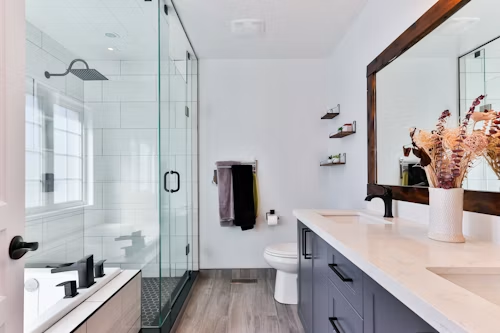
Bathroom waterproofing

Roof structure issues

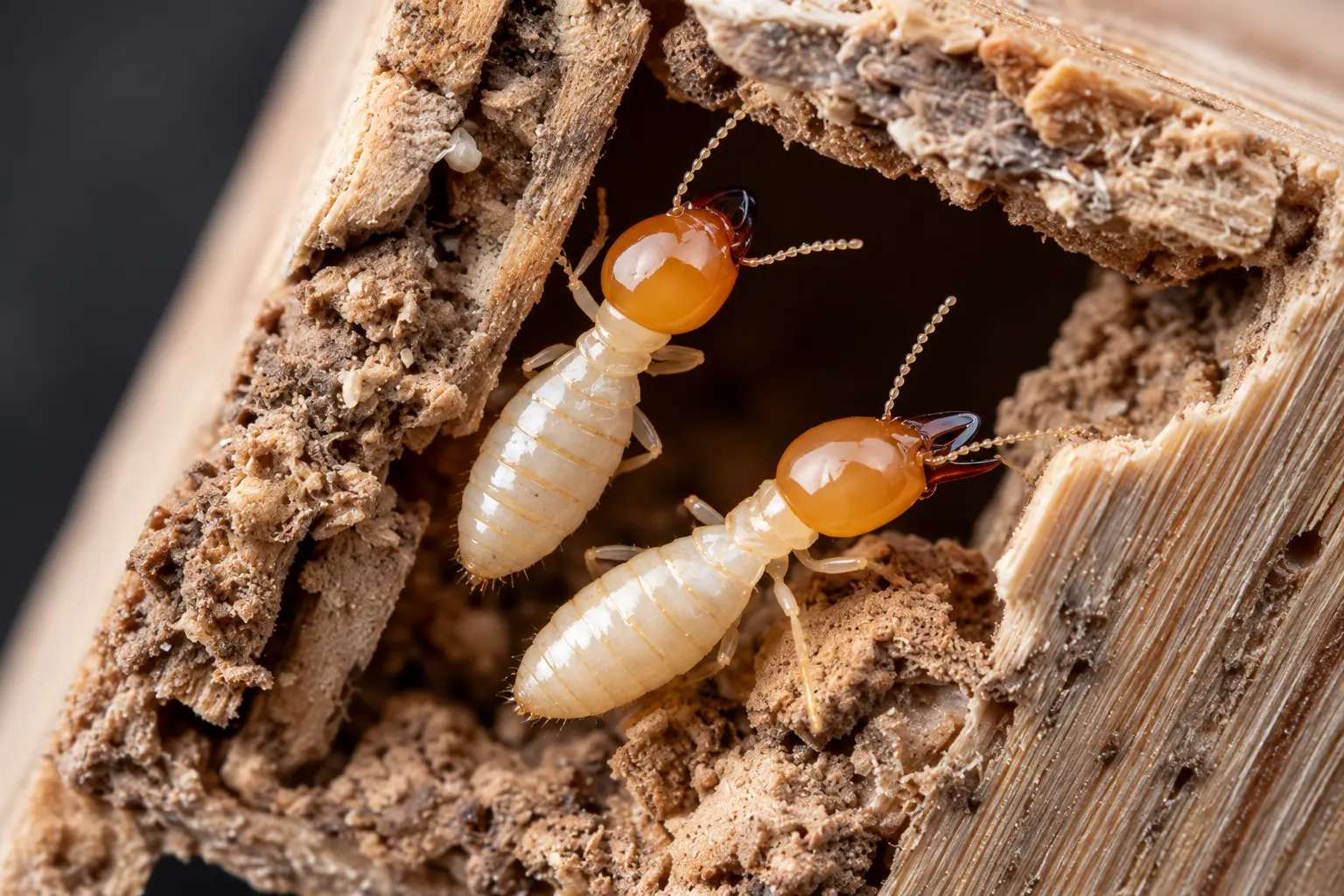
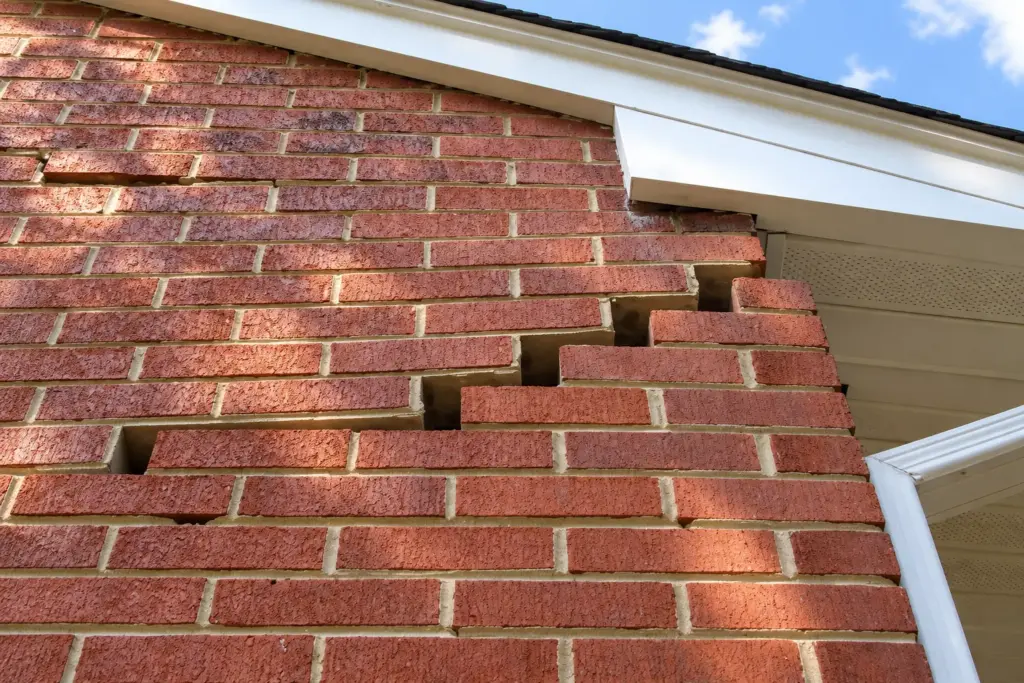
Termite damage

Subfloor defects

RISK
The Absence of Visible Termites Is Not the Same as the Absence of Risk.

A useful timber-pest report should tell you what was found, what could not be inspected, what conditions increase the risk and what should happen next. That distinction is particularly important where access is restricted or evidence suggests previous treatment or concealed damage.
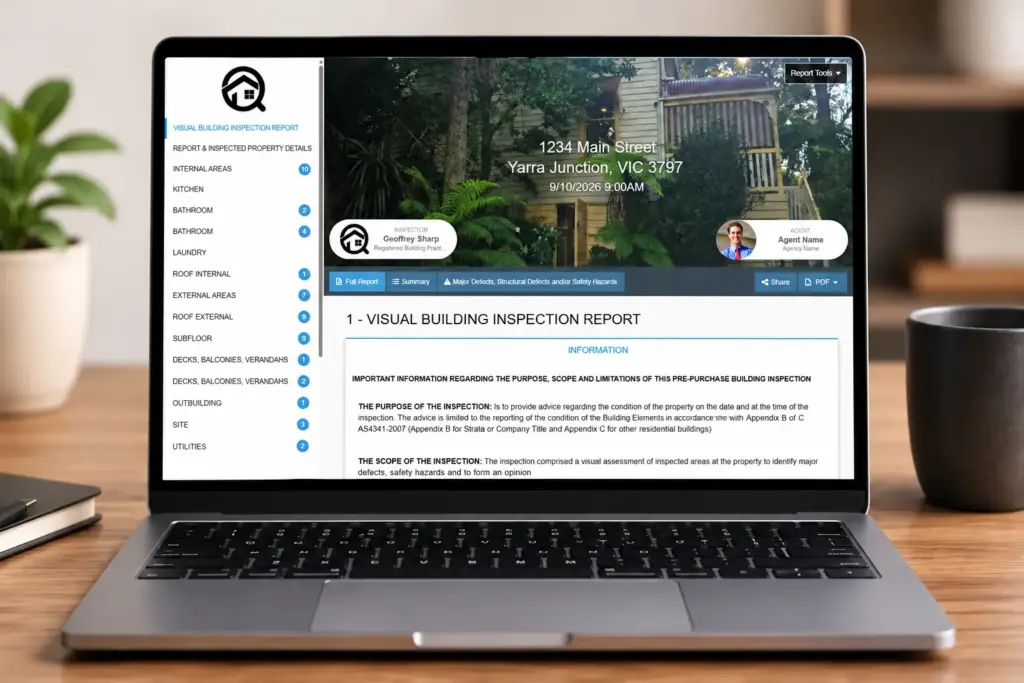
Tools Support the Investigation. Experience Interprets the Result.

Where appropriate, the inspection may include moisture detection, thermal imaging and non-invasive termite-detection equipment to investigate suspicious areas. These tools are used as part of the inspection process — not as a substitute for physical access, visual evidence and experienced judgement.

Questions to Ask a Timber Pest Inspector

  • Does the inspection include conducive conditions, not just live termites?
  • Will accessible roof space and subfloor areas be inspected?
  • What happens if an area is inaccessible?
  • Do you use moisture and termite-detection equipment where appropriate?
  • Will the report explain further investigation or treatment recommendations?
  • Can I discuss the findings directly with the inspector?

Building Inspections Melbourne

  • Activity, damage, decay, borers and conducive conditions considered
  • Accessible timber areas inspected within scope
  • Access limitations clearly identified
  • Technology used selectively to investigate suspicious areas
  • Clear next-step recommendations
  • Direct discussion with your inspector after the report
COMBINED SERVICE
Buying a Property? Consider Building + Pest Together.

A standalone timber-pest inspection does not assess the full building condition. If you are buying a home and want both building defects and timber-pest risks assessed, the combined Building & Pest Inspection is the stronger decision-making service.
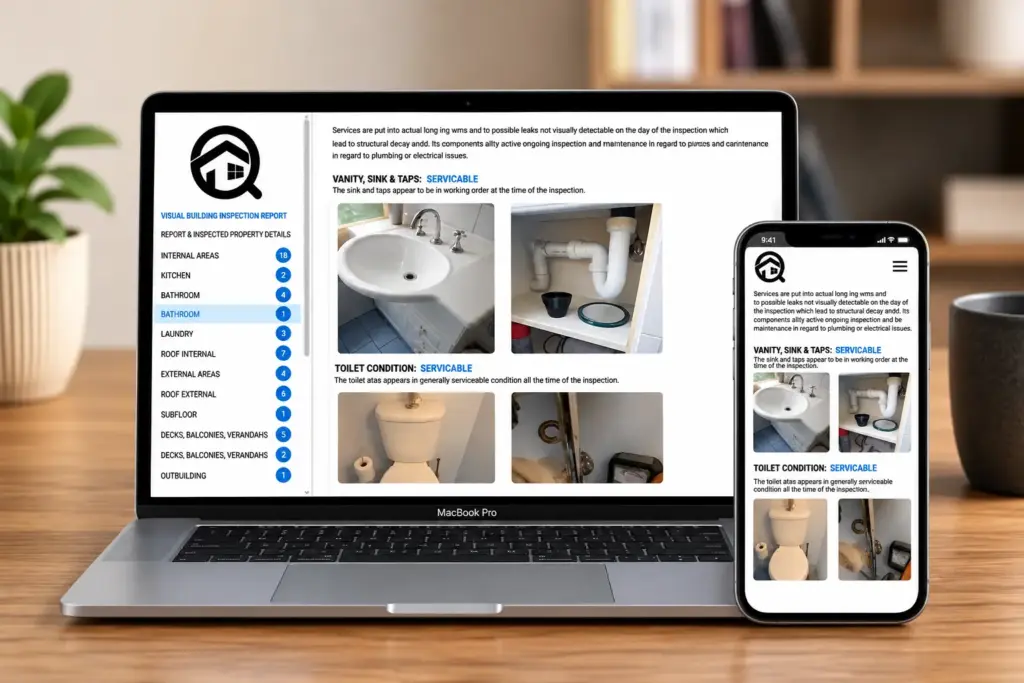
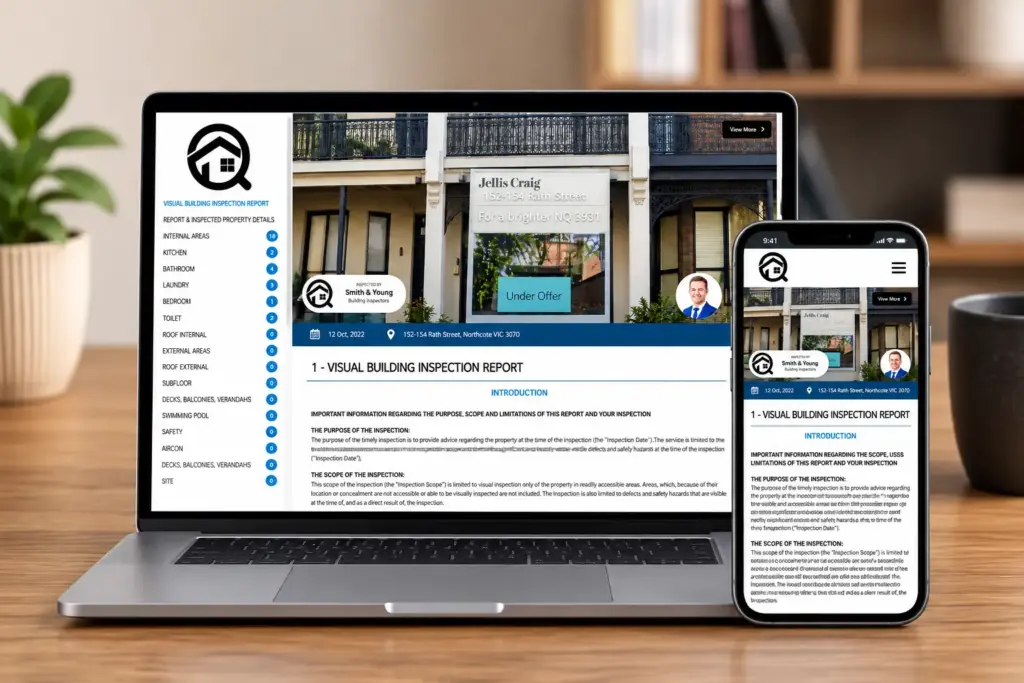
Know What the Report Will Tell You.

See how timber-pest findings, photographs, risk conditions, access limitations and recommendations are presented before you book.
How It Works

1. Send us the property address

2. Receive your quote

3. We arrange access with the selling agent

4. We complete the building & timber-pest inspection

5. Receive your detailed report

6. Speak directly with your inspector

5.0 Stars. 600+ Google Reviews.

Read what buyers say about the time spent onsite, the defects identified, the detail in the reports, the explanations afterwards and the decisions those findings helped them make.

A combined building and pest inspection by Building Inspections Melbourne, pointed out that there were a lot more problems with the property we wanted to buy then what we first realised. It was definitely a small price to pay for getting the team to come out and look over it thoroughly.

Valerie

“I used Building Inspections Melbourne when I was building, after a friend suggested it was a good idea to have a pre hand over inspection of my new home. I found the guys to be incredibly reliable and professional, and they even found a few things that were able to fixed before we moved in. If I ever build again, I would gladly call them again for sure.”

Bill and Sandy

I had done a walk through of a property that I thought was perfect, and was very keen to head straight to the auction. My wife wanted peace of mind, so she insisted we organise a Pre Auction Inspection. There turned out to be a lot of problems with the property, that would have blown our budget to fix. I won’t hesitate to call the team again before I put my hand up for another property.

Pete

“Extremely thorough and professional from start to finish. The inspection report was clear, detailed and easy to understand, and the inspector took the time to explain everything we needed to know. It gave us real confidence in making our decision. Highly recommended.”

Sarah M.

COMMON QUESTIONS
Frequently asked questions.
What does a timber pest inspection look for?

The inspection looks for evidence of termite activity and damage, borers, timber decay and conditions conducive to timber-pest attack within accessible areas of the agreed scope.

No visual or non-destructive inspection can guarantee the absence of concealed activity in inaccessible areas. The report records visible evidence, relevant risk conditions and any access limitations.

Yes, where a subfloor exists and safe, reasonable access is available within the scope.

Professional detection equipment may be used where appropriate to investigate suspicious areas. Results are interpreted alongside visual evidence, moisture conditions and the inspector’s experience.

The report documents the evidence and recommends the appropriate next step, which may include pest-management advice, further invasive investigation or assessment of damaged building elements.

For buyers, a combined Building & Pest Inspection is generally the more complete option because it assesses both accessible building defects and timber-pest risks within their respective scopes.

Other Inspection Services

Pre-auction inspection

Timber pest inspection

New construction inspections

Vendor inspection

Defect & special purpose reports

GET IN TOUCH
Found a Property? Speak Directly With an Inspector.

Call us to discuss the property, timing and the inspection you need. If you prefer, send the address and we will review it and provide a clear quote.

We'll Take It From Here.